About
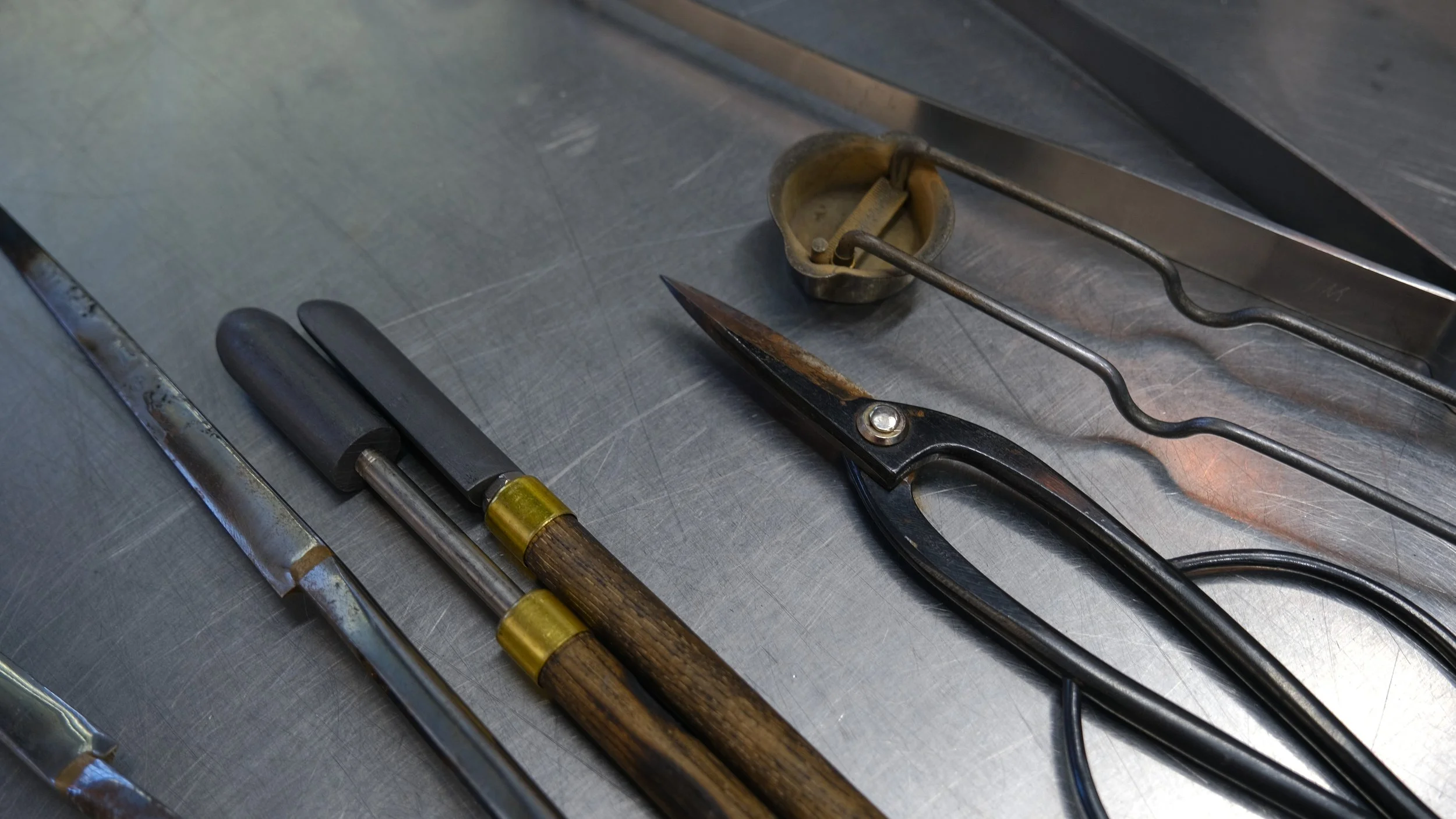
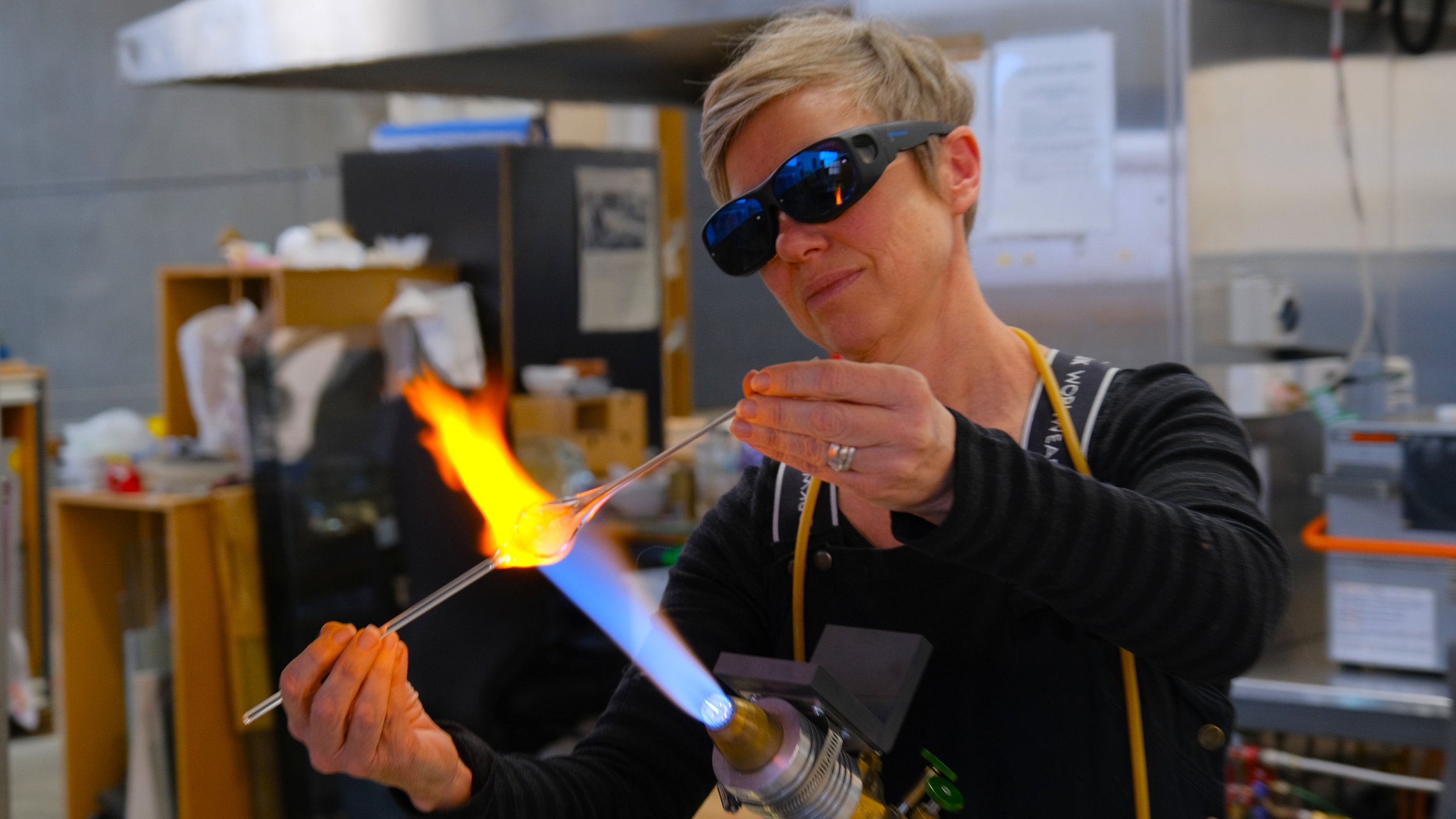
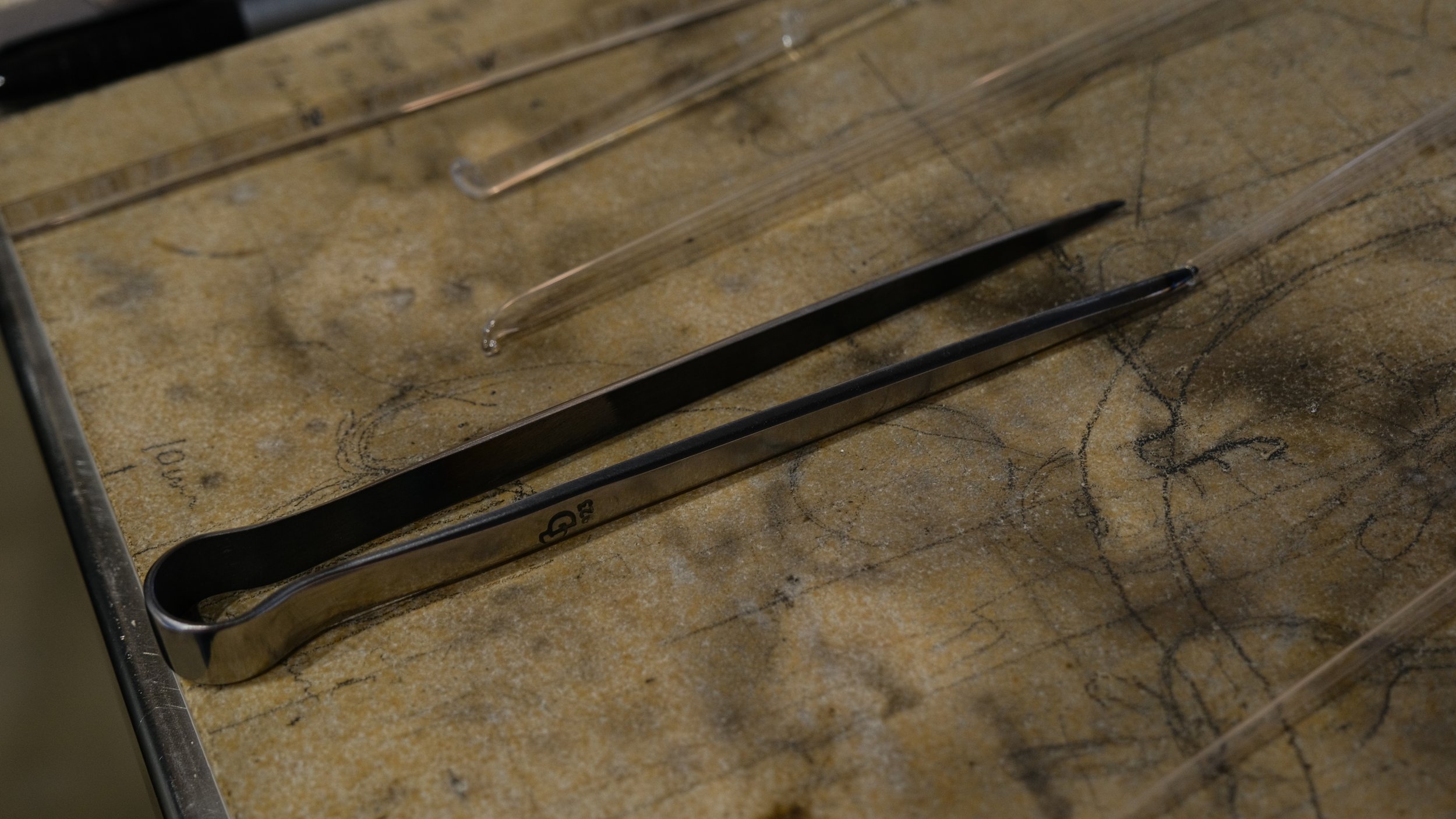
Justine McLaren is an artist working across sculpture, textiles, and, since 2019, glass. Based on Ngunnawal and Ngambri Country (Canberra, Australia), her current practice nurtures miniature ecosystems of water plants within hand-crafted borosilicate glass vessels. Typically used in scientific laboratories, this unusually clear and durable glass becomes, in McLaren’s hands, a lens through which aquatic plants can be closely observed as they grow and evolve.
McLaren’s work begins with flame-worked fabrication, but its life extends beyond the artist’s hand, so that the quiet resilience of the plants themselves becomes the subject. With little more than fresh water and sunlight, their survival becomes a delicate and persistent spectacle.
In a world increasingly shaped by crisis and instability, McLaren’s work asks: what does it mean to flourish? What conditions sustain life? What are the risks of keeping a thing alive?
McLaren holds a Bachelor of Fine Arts in Sculpture from the Australian National University. In 1998, she moved to Vientiane, Laos, where she apprenticed for two years with a family of silk and cotton weavers. This led to a practice in three-dimensional textile forms, expanded further in 2010–11 while living in Port Vila, Vanuatu, where she learned fish and bird-trap weaving from local makers.
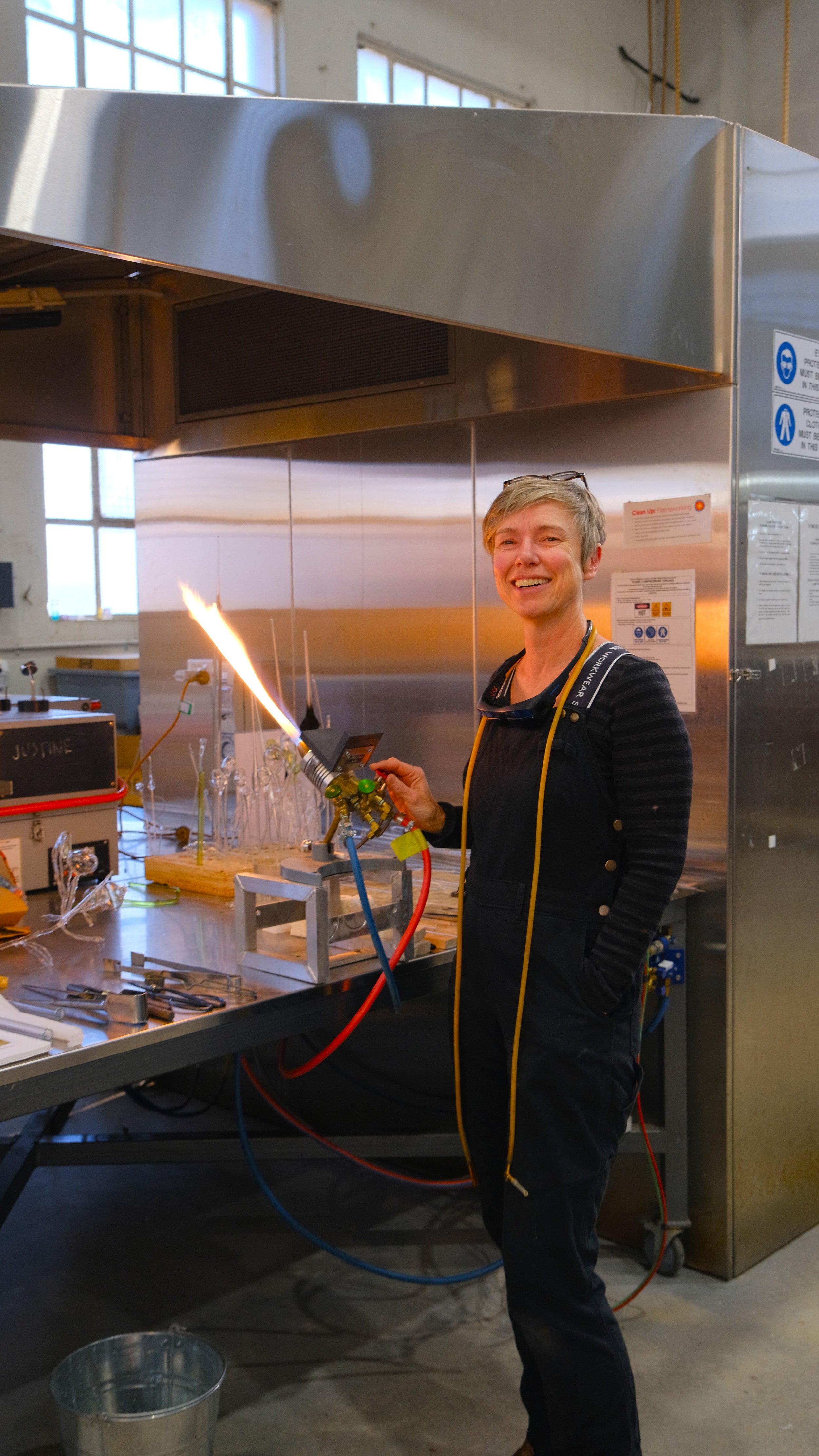
Since 2013, McLaren has worked with the National Arboretum Canberra and Canberra Glassworks, where she also began working in glass. She has trained in both glassblowing and flameworking (Poatina Arts Tasmania, Canberra Glassworks and CERFAV France). In 2020 she departed Australia for three years to live with her family in Geneva, Switzerland, and became part of the Swiss Glass Artist group Verarte. Now back in Canberra, she continues to work as an artist both in her studio and at Canberra Glassworks.
justinejmclaren@gmail.com